
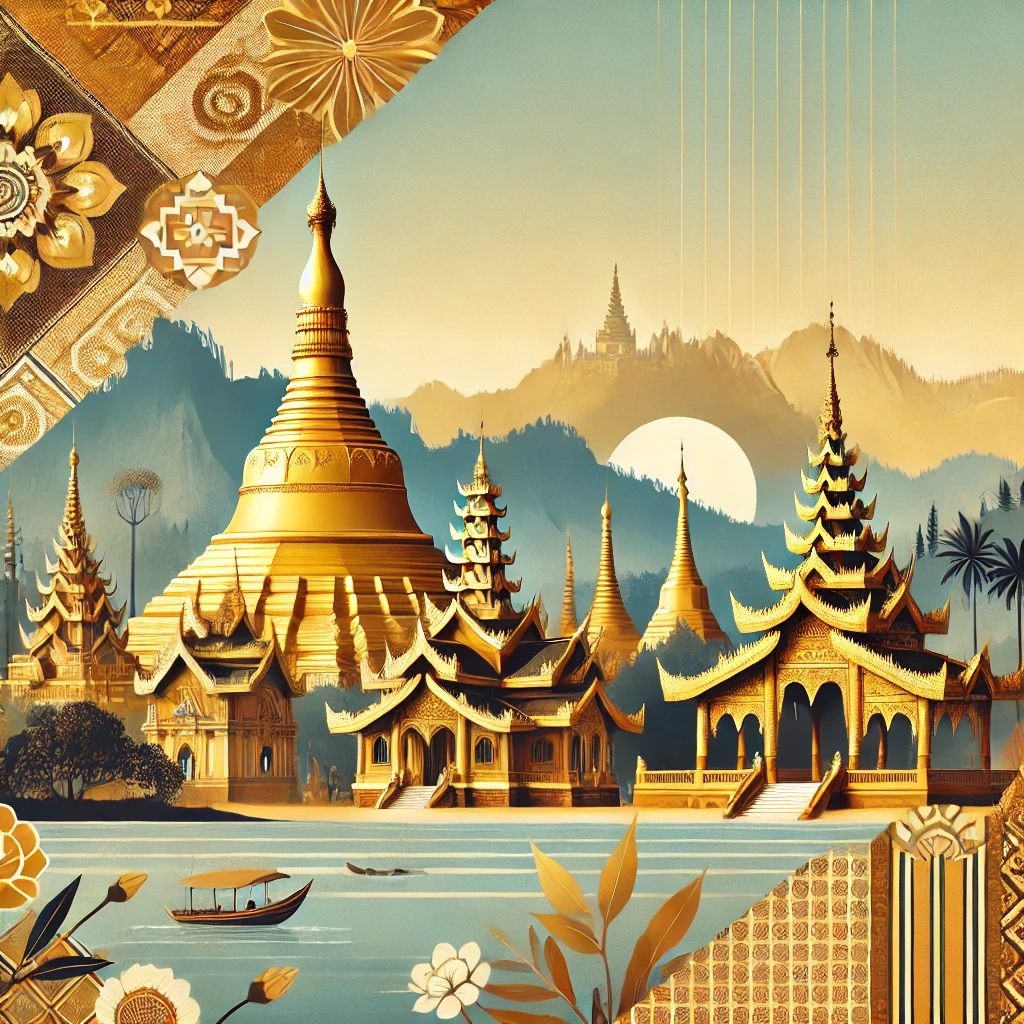
Introduction: What Makes Myanmar Culture Unique?
Myanmar, often called the Land of Golden Pagodas, is one of the most culturally preserved and spiritually rich countries in Asia. Its people are known for their warm hospitality, generosity, and deep-rooted traditions passed down for centuries.
Myanmar culture is heavily influenced by Buddhism, ancestral practices, and ethnic diversity—it is home to 135 ethnic groups, each with unique customs.
To understand the Myanmar community, one must understand its culture.
1. Core Values in Myanmar Culture
⭐ 1.1 The “Shwe” Spirit (Golden Heart)
The word Shwe (“gold”) reflects:
- Kindness
- Respect
- Hospitality
- Helping others
- Community unity
It is the foundation of Burmese identity.
⭐ 1.2 Respect for Elders
A core principle—young people show deep respect through gestures like “gadaw” (kneeling and bowing).
⭐ 1.3 Strong Family Bonds
Families are multi-generational and tightly connected. Decisions are often made collectively.
⭐ 1.4 Community First
Villages and neighborhoods share food, help in events, and support each other.
2. Festivals & Celebrations in Myanmar
Myanmar hosts some of the world’s most colorful cultural festivals, mostly influenced by the Buddhist calendar.
🎉 2.1 Thingyan (Water Festival)
- Held in April
- Marks the Burmese New Year
- Symbolizes cleansing and renewal
- Streets turn into joyful water-throwing celebrations
🎉 2.2 Thadingyut (Festival of Lights)
- Celebrates Buddha’s descent from heaven
- Homes and cities glow with candles and lanterns
🎉 2.3 Tazaungdaing (Fire Balloon Festival)
- The night sky fills with handmade hot-air balloons
- Famous in Taunggyi
🎉 2.4 Waso & Kahtein
Buddhist robe-offering ceremonies held at monasteries.
3. Myanmar Traditional Dress
👗 3.1 Longyi (Everyday Wear)
Both men and women wear Longyi, a traditional wrap-around cloth.
👗 3.2 Hta Mee Thin & Taik Pon
Traditional attires for weddings, ceremonies, and festivals.
👧 3.3 Thanaka
A natural cosmetic paste used for beauty, cooling, and skincare—uniquely Myanmar.
4. Myanmar Foods & Culinary Heritage
Myanmar cuisine is full of flavor, spice, and cultural history.
🍜 4.1 Mohinga
The national dish—rice noodle fish soup.
🫕 4.2 Tea Leaf Salad (Lahpet Thoke)
A fermented tea leaf salad mixed with nuts and spices.
🍛 4.3 Shan Noodles
Soft, flavorful noodles from the Shan region.
🥘 4.4 Burmese Curries
Rich curries with onions, garlic, turmeric, and traditional herbs.
Food is more than nourishment—it is a symbol of sharing and togetherness.
5. Buddhism’s Role in Myanmar Culture
Around 90% of Myanmar practices Theravada Buddhism, woven deeply into daily routines.
🛕 Key Influences
- Meditation practices
- Offerings to monks
- Pagoda visits
- Moral values (Dana: generosity)
Monasteries are cultural and spiritual centers across the country.
6. Arts, Crafts & Cultural Expressions
Myanmar is rich in traditional craftsmanship:
✨ 6.1 Lacquerware (Bagan & Mandalay)
Handcrafted bowls, boxes, and decorations.
✨ 6.2 Wood Carvings
Often with mythical or spiritual symbols.
✨ 6.3 Marionette Puppetry
A classic performance art telling ancient stories.
✨ 6.4 Goldsmith & Silversmith Work
Reflecting the “Shwe” golden identity.
7. Cultural Etiquette in Myanmar
✔️ Do
- Remove shoes before entering homes or pagodas
- Use both hands to give or receive anything
- Dress modestly at religious sites
❌ Don’t
- Touch someone’s head (considered sacred)
- Point with your feet
- Public displays of affection
These customs show respect and cultural harmony.
8. Myanmar Culture in Modern Times
Despite modernization, Myanmar people preserve their traditions:
- Temples and monasteries remain daily gathering places
- Traditional foods and dress are still widely used
- Festivals continue with great passion
- Younger generations embrace both modern and cultural identities
👉 Discover more about Myanmar’s people, culture, and community on Shwecloud’s “Myanmar Community” page:
